

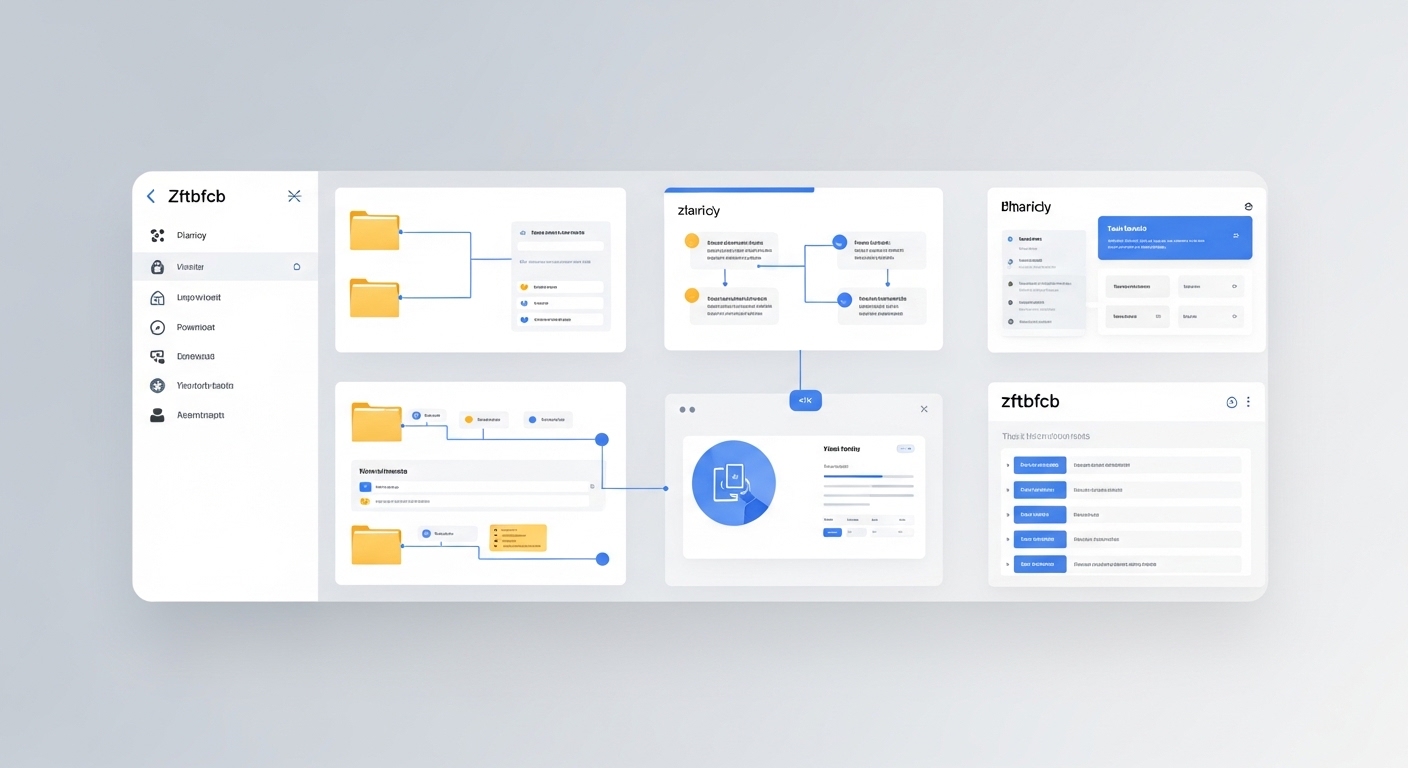
Introduction to zftbfcb
The keyword zftbfcb has started appearing in online discussions, creative workflows, and digital strategy conversations. While it may look unusual at first glance, zftbfcb is best understood as a structured concept used to organize information, streamline processes, and improve clarity in digital environments. People often use zftbfcb as a flexible framework that helps them manage tasks, structure content, and keep projects easy to understand.
In a world filled with constant information, tools like zftbfcb are valuable because they focus on simplicity and organization. Instead of creating confusion, zftbfcb encourages clear thinking and step-by-step action. Whether someone is managing online content, planning a project, or organizing data, the idea behind zftbfcb is to make work more efficient and easier to follow.
This guide explores zftbfcb in depth. You will learn what zftbfcb means, how it works, why people use it, and how it can be applied in everyday digital tasks.
What Is zftbfcb?
The Basic Meaning of zftbfcb
At its core, zftbfcb is a structured method for organizing ideas, data, or tasks in a logical way. Instead of leaving information scattered, zftbfcb focuses on grouping related elements together and arranging them into clear steps or categories.
The concept of zftbfcb is simple:
- Break complex tasks into smaller parts
- Label each part clearly
- Connect the parts in a logical order
- Review and refine the structure regularly
This approach makes information easier to understand and reduces mistakes.
Why zftbfcb Matters Today
Modern work often involves large amounts of digital information. Emails, documents, files, and online tools can quickly become overwhelming. Zftbfcb helps reduce this overload by giving people a clear framework for managing information.
Because it focuses on clarity and organization, zftbfcb can be used by students, writers, business teams, and anyone who wants to keep work structured and easy to follow.
The Core Principles of zftbfcb
1. Simplicity
One of the most important ideas behind zftbfcb is keeping things simple. Instead of complicated systems, it encourages straightforward steps and clear labels.
2. Structure
Zftbfcb emphasizes a strong structure. Every piece of information has a place, making it easier to find and understand later.
3. Flexibility
Another key feature of zftbfcb is flexibility. It can be applied to different types of work, from digital content creation to personal planning.
4. Consistency
When using zftbfcb, consistency matters. Similar tasks follow similar patterns, which helps reduce confusion and saves time.
5. Continuous Improvement
Zftbfcb is not a one-time system. Users review and adjust their structure regularly to keep it effective and relevant.
How zftbfcb Works in Practice
Step 1: Identify the Goal
The first step in using zftbfcb is defining the main objective. For example, someone might want to organize a blog, manage a project, or structure a learning plan.
Step 2: Break Tasks into Parts
Once the goal is clear, zftbfcb encourages dividing work into smaller sections. Each section represents a manageable task.
Step 3: Label and Organize
Each part is given a clear name. Labels help users quickly understand what each section contains.
Step 4: Create Connections
Tasks are then arranged in a logical order. For example, planning comes before execution, and execution comes before review.
Step 5: Review and Update
Zftbfcb works best when users regularly review their structure and make improvements based on new information or changing needs.
Common Uses of zftbfcb
Content Creation
Writers and creators use zftbfcb to plan articles, videos, or tutorials. By organizing ideas into structured sections, they can produce clearer and more engaging content.
Project Management
Teams apply zftbfcb to break large projects into smaller tasks. This makes collaboration easier and helps everyone understand their role.
Education and Learning
Students can use zftbfcb to organize study materials, create outlines, and prepare for exams. Structured notes make learning more effective.
Data Organization
In digital environments, zftbfcb helps categorize files and information. Clear organization saves time when searching for specific data.
Personal Productivity
Many individuals use zftbfcb for daily planning. Tasks are grouped into categories such as work, learning, and personal activities.
Benefits of Using zftbfcb
Improved Clarity
Zftbfcb makes information easy to understand. Clear structures reduce confusion and help users focus on important tasks.
Better Time Management
By organizing work into smaller steps, zftbfcb helps people manage time more efficiently.
Reduced Stress
When tasks are structured and labeled clearly, people feel less overwhelmed. Zftbfcb creates a sense of control over work.
Increased Collaboration
Teams benefit from shared structures. Everyone knows where to find information and how tasks are connected.
Easier Decision Making
With organized data and clear steps, users can make informed decisions quickly.
Examples of zftbfcb in Action
Example 1: Planning a Blog
A writer using zftbfcb might create sections such as:
- Topic ideas
- Research notes
- Draft outline
- Final review
Each stage has a clear purpose, making the writing process smoother.
Example 2: Managing a Team Project
A team could use zftbfcb to divide a project into:
- Planning
- Development
- Testing
- Launch
This structured approach ensures every stage is completed in order.
Example 3: Organizing Study Notes
A student might group subjects, lessons, and practice questions into separate folders based on the zftbfcb framework.
Best Practices for Applying zftbfcb
Keep Categories Clear
Avoid creating too many categories. Simple structures are easier to maintain.
Use Consistent Naming
Choose clear labels and use them consistently across projects.
Review Regularly
Check your structure often to make sure it still works effectively.
Focus on Practical Use
Zftbfcb should support real tasks, not create unnecessary complexity.
Combine with Existing Tools
Many digital apps already support structured organization. Zftbfcb can be applied within those tools easily.
Challenges and Limitations of zftbfcb
While zftbfcb is helpful, it is not perfect. Some users may create structures that are too detailed, which can slow down work. Others may forget to review and update their systems, leading to outdated information.
Another challenge is learning to balance flexibility with structure. Too much structure can feel restrictive, while too little can reduce the benefits of zftbfcb.
Understanding these limitations helps users apply zftbfcb effectively without overcomplicating their workflow.
The Future of zftbfcb
As digital work continues to grow, structured frameworks like zftbfcb are likely to remain useful. Many modern tools already focus on organization, automation, and clear workflows. Zftbfcb fits naturally into these trends because it encourages clarity and efficiency.
Future applications of zftbfcb may include:
- Enhanced collaboration systems
- Improved learning platforms
- Simplified content management
- Streamlined digital planning tools
By focusing on structure and simplicity, zftbfcb aligns with the ongoing demand for organized digital experiences.
FAQs About zftbfcb
1. What is zftbfcb used for?
It is used to organize tasks, data, and content in a clear and structured way.
2. Is zftbfcb a software tool?
No, zftbfcb is a framework or concept rather than a specific program.
3. Who can use zftbfcb?
Anyone who wants to manage information or projects more effectively.
4. Does zftbfcb require technical skills?
No, it focuses on simple organization methods that anyone can apply.
5. Can zftbfcb improve productivity?
Yes, structured workflows often help people work faster and with fewer mistakes.
Conclusion
Zftbfcb is a practical framework designed to bring structure and clarity to modern digital work. By breaking complex tasks into smaller parts, labeling information clearly, and organizing steps logically, zftbfcb helps users stay focused and productive. It can be applied to content creation, project management, learning, data organization, and personal planning.
The strength of zftbfcb lies in its simplicity and flexibility. It does not rely on complicated tools or advanced technical knowledge. Instead, it focuses on clear thinking and organized processes that make everyday work easier to manage. While it has some limitations, such as the risk of over-structuring, these challenges can be avoided through regular review and thoughtful application.
As digital environments continue to evolve, structured approaches like zftbfcb will remain valuable for individuals and teams seeking efficiency and clarity. By understanding its principles and applying them consistently, anyone can use zftbfcb to create more organized workflows and achieve better results.
