

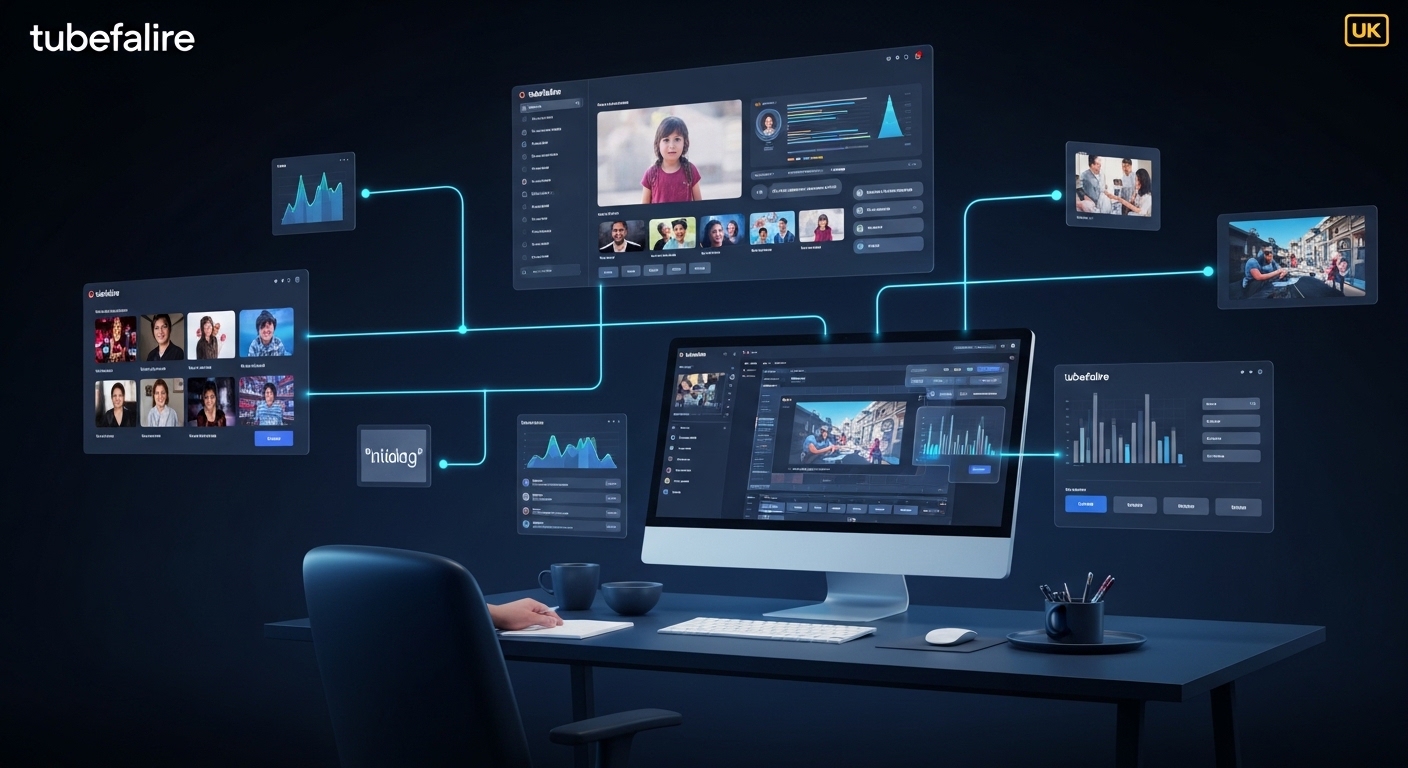
Many people searching for tubefalire are trying to understand what it is, whether it’s a tool, platform, or concept related to video distribution or online media workflows. The search intent behind this keyword is mostly informational—users want a clear explanation, practical use cases, and guidance on how it might help them.
This guide explains tubefalire, how it works, real-world applications, and how it compares with similar solutions.
What Is Tubefalire?
Tubefalire refers to a digital concept or tool associated with video distribution, content organization, or automated media workflows, typically connected with platforms that manage or optimize video-based content.
In most contexts, tubefalire is used as a system or method for organizing, publishing, or managing video content efficiently, particularly when creators or businesses want to streamline their video operations.
Instead of manually uploading or managing content across multiple platforms, a tubefalire-style system focuses on:
- Centralized video management
- Automated publishing workflows
- Content optimization
- Cross-platform distribution
This approach is especially useful for content creators, digital marketers, media agencies, and online educators.
Why People Search for Tubefalire
Based on search behavior, users usually look for tubefalire to:
- Understand what the term means
- Learn how it improves video workflows
- Discover tools or platforms related to it
- Improve content publishing efficiency
- Manage video libraries more effectively
These needs are common among YouTubers, digital publishers, and SEO-focused marketers.
How Tubefalire Works
A tubefalire-based workflow usually includes several key components.
1. Video Content Organization
Users store and categorize videos in a structured way.
Typical features include:
- Tagging systems
- Metadata organization
- Content folders or libraries
- Automated naming conventions
Example:
A marketing team uploads 200 tutorial videos and categorizes them by topic, product, and campaign for easy access.
2. Automated Publishing
One of the biggest advantages of tubefalire systems is automation.
Instead of publishing manually, creators can:
- Schedule uploads
- Automatically generate titles and descriptions
- Sync content across multiple platforms
Example:
A YouTube creator schedules 10 videos for release across two weeks, while the system automatically publishes them.
3. Content Optimization
Advanced tubefalire workflows often include SEO and performance optimization features.
These may include:
- Keyword tagging
- Metadata optimization
- Thumbnail management
- Performance tracking
Example:
A media agency optimizes titles and descriptions to increase search visibility and viewer engagement.
4. Cross-Platform Distribution
Content creators rarely publish on just one platform today.
Tubefalire-style systems help distribute videos to:
- YouTube
- Vimeo
- Social media platforms
- Online course platforms
- Website video libraries
Example:
An online educator uploads a lecture once and distributes it across YouTube, a learning portal, and social media.
Real-World Use Cases of Tubefalire
1. YouTube Content Creators
Creators often produce large volumes of videos. Tubefalire workflows help them:
- Manage content calendars
- Organize video assets
- Track performance metrics
Example:
A tech YouTuber producing three videos per week uses automated scheduling and tagging.
2. Digital Marketing Agencies
Marketing agencies use video campaigns across many platforms.
Tubefalire systems allow them to:
- Coordinate campaigns
- Track analytics
- Manage multiple client channels
Example:
An agency manages 15 client YouTube channels using centralized tools.
3. Online Course Platforms
Educational platforms handle thousands of videos.
Tubefalire helps with:
- Lecture organization
- Student access management
- Content updates
Example:
A coding academy organizes lessons into modules and learning paths.
4. Media Production Companies
Production teams often deal with large video libraries.
Tubefalire-style workflows help them:
- Archive footage
- Tag scenes
- Retrieve assets quickly
Example:
A documentary team labels clips by location, interviewee, and topic.
Tubefalire vs Traditional Video Management
| Feature | Tubefalire Workflow | Traditional Video Management |
|---|---|---|
| Content organization | Automated tagging & structure | Manual folders |
| Publishing | Scheduled & automated | Manual uploads |
| SEO optimization | Built-in tools | Often ignored |
| Cross-platform distribution | Centralized | Separate uploads |
| Analytics | Integrated | Platform-specific |
The tubefalire approach is more efficient, scalable, and automation-focused.
Pros and Cons of Tubefalire Systems
Pros
1. Saves Time
Automation reduces repetitive work.
2. Better Content Organization
Large video libraries become easier to manage.
3. Improved SEO Potential
Metadata and optimization tools improve visibility.
4. Scalable for Large Projects
Works well for creators publishing frequently.
Cons
1. Learning Curve
Advanced workflows require setup.
2. Tool Dependency
Some systems rely on specific platforms.
3. Cost for Advanced Tools
Professional video workflow tools can be expensive.
Best Practices for Using Tubefalire Workflows
If you’re implementing a tubefalire-style system, follow these tips:
Use Structured Metadata
Always include:
- Title
- Description
- Tags
- Category
This helps search engines and internal systems organize content.
Create a Publishing Schedule
Consistency matters.
Example schedule:
- Monday → Tutorials
- Wednesday → Reviews
- Friday → Live streams
This improves audience engagement and algorithm performance.
Track Performance Metrics
Monitor:
- Watch time
- Click-through rate
- Audience retention
- Engagement
These metrics help refine future content.
Maintain a Content Library
Store:
- Raw footage
- Edited videos
- Thumbnails
- Scripts
This allows repurposing content later.
Future of Tubefalire Workflows
As video becomes the dominant form of online content, systems like tubefalire will likely evolve to include:
- AI-driven video tagging
- automatic highlight generation
- predictive content scheduling
- advanced audience analytics
These innovations will help creators and businesses manage content at scale.
FAQ About Tubefalire
What does tubefalire mean?
Tubefalire typically refers to a workflow or system designed for managing, organizing, and distributing video content efficiently across multiple platforms.
Is tubefalire a software tool?
It may refer to a tool, workflow, or concept related to video management, depending on the context in which the term is used.
Who should use tubefalire systems?
They are most useful for:
- YouTube creators
- marketing agencies
- online educators
- media production teams
Anyone dealing with large volumes of video content can benefit.
Does tubefalire help with video SEO?
Yes. Proper metadata organization, keyword tagging, and automated publishing can help improve video discoverability and ranking.
Is tubefalire useful for small creators?
Yes. Even small creators benefit from better content organization and scheduling, especially when publishing consistently.
Conclusion
Tubefalire represents a modern approach to video content management, focusing on automation, organization, and scalable publishing workflows.
For creators, marketers, and educators working with video at scale, adopting a tubefalire-style workflow can significantly improve productivity, content discoverability, and audience engagement.
As video continues to dominate online communication, efficient systems like tubefalire will become even more important for managing digital media effectively.
