

Introduction
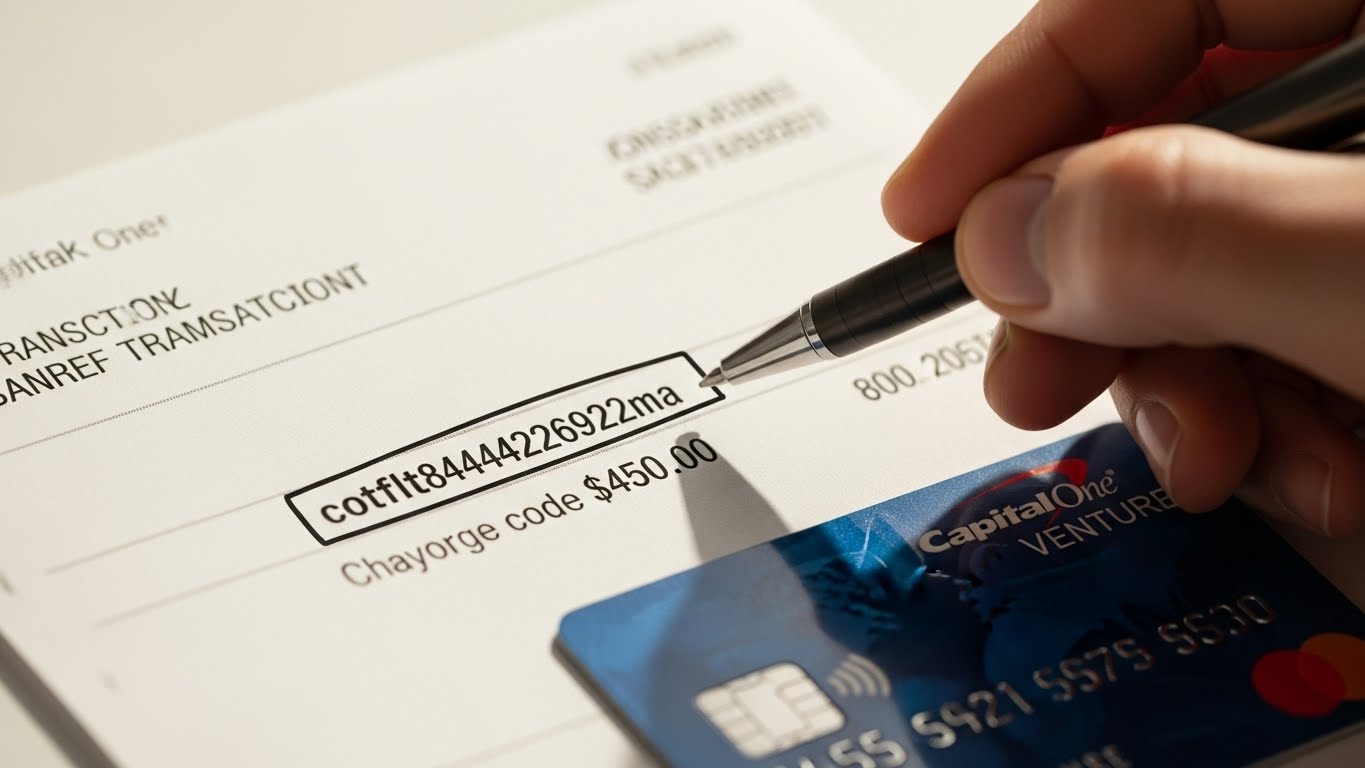
If you’ve recently checked your bank statement and spotted a mysterious charge labeled cotflt8444226922ma, you’re not alone. Thousands of Capital One cardholders encounter this cryptic merchant descriptor every month, often triggering confusion or even alarm about potential unauthorized activity. Understanding what cotflt8444226922ma represents is crucial for maintaining control over your finances and distinguishing legitimate purchases from fraudulent transactions. This alphanumeric code isn’t a random error or suspicious activity in most cases—it’s actually a standard merchant descriptor used by Capital One Travel to identify flight bookings and related travel services.
The seemingly complex string contains embedded information that helps both customers and the bank track travel-related purchases. With the rise of online travel booking and digital payment processing, these abbreviated transaction labels have become increasingly common, yet many consumers remain unaware of what they signify. The cotflt8444226922ma charge typically appears after you’ve booked flights, hotels, or vacation packages through Capital One’s dedicated travel platform. However, the unfamiliar format can make it difficult to connect the charge to your actual purchase, especially if several days or weeks have passed since your booking. In today’s landscape of heightened financial fraud awareness, knowing how to quickly identify and verify these charges protects you from real threats while preventing unnecessary panic over legitimate transactions.
Decoding the cotflt8444226922ma Transaction Code
The cotflt8444226922ma descriptor might look like a random jumble of letters and numbers, but each component serves a specific identification purpose within Capital One’s transaction processing system. The “COTFLT” prefix stands for Capital One Travel Flight, immediately signaling that this charge originated from a flight booking or aviation-related service purchased through Capital One’s travel portal. This standardized abbreviation helps both automated banking systems and customer service representatives quickly categorize the transaction type without accessing detailed purchase records. The middle section—8444226922—isn’t arbitrary filler; it’s actually Capital One Travel’s official customer service phone number formatted without dashes or spaces. Including contact information directly in the merchant descriptor serves a practical purpose: customers who question the charge can immediately see how to reach the company for verification without searching online or calling their bank’s general helpline.
The “MA” suffix at the end likely represents either a geographical location code associated with the booking system’s processing center or an internal merchant account identifier used for Capital One’s backend operations. When this descriptor appears on your statement, it almost always indicates that you or an authorized user on your account completed a transaction through Capital One Travel’s booking platform. The charge processes through Capital One’s merchant services rather than appearing under the airline’s name directly, which is why you see this intermediary code instead of “Delta Airlines” or “United Airlines.” Understanding this processing method explains why the charge may appear one to three days after your booking confirmation email arrives, as payment authorization and final settlement occur on different timelines in the travel industry’s complex booking infrastructure.
Read More: Marciemcd25
Common Reasons cotflt8444226922ma Appears on Statements
The most frequent scenario triggering a cotflt8444226922ma charge involves booking airline tickets through Capital One Travel’s website or mobile app. When cardholders leverage Capital One’s travel portal—often to maximize rewards points or access cardholder-exclusive deals—the purchase processes through Capital One’s merchant account rather than directly with the airline. This intermediary structure allows Capital One to manage the entire transaction, handle customer service inquiries, and facilitate easier refund processing if travel plans change, but it also means your statement won’t display the airline’s recognizable brand name. Beyond flight bookings, this descriptor can also appear for hotel reservations, car rentals, vacation packages, and even travel insurance purchased through Capital One Travel.
Some cardholders report seeing the cotflt8444226922ma code when making changes to existing reservations, such as upgrading seats, adding checked baggage, or modifying travel dates. Refunds and cancellations may also display with this same descriptor, though typically with a negative amount or specific refund notation. The timing of when these charges appear can sometimes create confusion about their origin. Capital One Travel often processes payments immediately upon booking confirmation, but some hotels and services authorize the charge initially and don’t complete the final settlement until closer to your travel date or after service completion. If you split a booking into separate transactions or book multiple travelers on different reservations, each purchase generates its own distinct charge with the same cotflt8444226922ma descriptor but different amounts and timestamps.
Step-by-Step Verification Process for Unknown Charges
When you encounter a cotflt8444226922ma charge that doesn’t immediately ring a bell, your first verification step should involve reviewing recent travel activity across all your booking platforms and confirmation emails. Check your email inbox and spam folder for messages from Capital One Travel containing booking confirmations, which typically arrive within minutes of completing a purchase. These emails include booking reference numbers, travel dates, passenger names, and the exact charged amount—details that should match precisely with the statement entry you’re investigating. Don’t overlook the possibility that a family member or authorized card user made the booking, as many households share accounts without always communicating every purchase in real-time.
If email searches prove inconclusive, contacting Capital One Travel directly at 844-422-6922—the number embedded within the transaction code itself—provides the most reliable verification method. Customer service representatives can access your complete booking history using your credit card number and transaction date, then explain exactly what the charge covers. When calling, have your statement ready with the specific charge amount and posting date, as this information helps agents locate the transaction quickly in their system. Your third verification avenue involves Capital One’s digital banking platforms, which often provide more transaction detail than your paper statement. Log into the Capital One mobile app or website and navigate to your recent transactions section, where you can click on the cotflt8444226922ma charge for expanded information.
Red Flags: When cotflt8444226922ma Indicates a Problem
While most cotflt8444226922ma charges represent legitimate Capital One Travel bookings, certain warning signs should trigger immediate investigation and potential fraud response. The most obvious red flag occurs when you see this charge despite never having used Capital One Travel or having no planned travel whatsoever. If you’re certain neither you nor any authorized card users booked flights or travel services, the charge likely represents unauthorized account access—possibly from a compromised card number, data breach, or sophisticated phishing attack that captured your payment credentials. Duplicate charges present another concerning scenario that warrants scrutiny, especially if you see multiple entries for identical or very similar amounts posted on the same day or within hours of each other.
Timing anomalies can also signal problems with cotflt8444226922ma transactions. Charges appearing when you know you haven’t accessed the Capital One Travel platform recently, especially if they occur during unusual hours like 3 AM when you were asleep, suggest someone else may be using your account information. If you recently canceled a booking and received cancellation confirmation but still see new charges rather than refunds processing, this could indicate either a system error or continued unauthorized activity. Geographic inconsistencies matter too—if you notice travel bookings to destinations you’ve never discussed or have no reason to visit, particularly international flights or luxury accommodations that don’t match your typical spending patterns, treat these as high-priority fraud indicators requiring immediate intervention.
Protecting Your Account from Unauthorized Charges
Proactive security measures significantly reduce your risk of encountering fraudulent cotflt8444226922ma charges on your Capital One statement. Start by enabling real-time transaction alerts through Capital One’s mobile app or online banking portal, configuring notifications to send immediately whenever any charge posts to your account. These instant alerts allow you to catch suspicious activity within minutes rather than days or weeks later when reviewing monthly statements, dramatically improving your chances of stopping fraud before significant damage occurs. Implementing robust password security and multi-factor authentication for both your Capital One account and email protects against credential theft that could enable unauthorized bookings. Avoid reusing passwords across multiple sites, as data breaches at unrelated companies can expose credentials that fraudsters test against major financial institutions.
Regular statement reviews remain one of the most effective fraud prevention strategies, despite the temptation to ignore detailed transaction lists. Set a calendar reminder to thoroughly review your Capital One statement at least weekly, scrutinizing every charge regardless of how familiar the merchant descriptor appears. Keep organized records of all travel bookings by creating a dedicated email folder for confirmation messages or maintaining a simple spreadsheet tracking purchase dates, amounts, and booking reference numbers. When traveling or booking through Capital One Travel, always use secure internet connections rather than public Wi-Fi networks, which can expose your payment data to interception. If you must book while away from home, use a virtual private network (VPN) to encrypt your connection and protect sensitive financial information from potential eavesdroppers on shared networks.
What to Do If You Discover Fraudulent Activity
If your verification efforts confirm that a cotflt8444226922ma charge is unauthorized, swift action minimizes financial loss and prevents additional fraudulent transactions. Your immediate first step should involve calling Capital One Travel at 844-422-6922 to report the suspicious booking and request cancellation if the travel date hasn’t passed. Document this conversation by recording the date, time, representative’s name, and any reference numbers they provide. Even if Capital One Travel cannot immediately cancel the booking due to airline policies or timing restrictions, creating this official record strengthens your subsequent dispute case with Capital One’s fraud department.
Next, contact Capital One’s dedicated fraud hotline—typically found on the back of your credit card or through the mobile app’s help section—to report the unauthorized charge and request immediate card replacement. Capital One will freeze your current card to prevent further fraudulent transactions and initiate a dispute investigation for the cotflt8444226922ma charge. Be prepared to provide detailed information about when you first noticed the charge, why you believe it’s fraudulent, and any steps you’ve already taken to verify the transaction. The bank will typically issue provisional credit while investigating your claim, though this process can take 30-90 days depending on the complexity. Monitor your account closely during this period for any additional suspicious activity, and consider reviewing your credit reports to ensure no other accounts have been compromised.
Understanding Capital One Travel’s Booking System
Capital One Travel operates as an intermediary booking platform that connects cardholders with airlines, hotels, and other travel service providers while offering enhanced rewards earning potential. When you book through their portal, Capital One essentially acts as the merchant of record, processing the payment on behalf of the actual airline or hotel. This arrangement explains why your statement shows cotflt8444226922ma instead of the travel provider’s brand name. The system benefits customers by consolidating all travel-related transactions under one easily manageable platform, streamlining customer service inquiries, and often providing better refund processing compared to booking directly with airlines or third-party travel sites.
This intermediary model also enables Capital One to offer exclusive cardholder perks such as bonus rewards points, statement credits, and special pricing not available through other booking channels. However, the trade-off is that transaction descriptors become less immediately recognizable on your statement. Capital One Travel integrates with major global distribution systems used by travel providers, ensuring access to the same inventory and pricing you’d find elsewhere while adding the value of rewards optimization. Understanding this infrastructure helps explain why the charge appears days after booking, why refunds may take longer to process, and why all communication about your travel arrangements flows through Capital One rather than directly from the airline or hotel.
Conclusion
The cotflt8444226922ma charge code, while initially confusing, serves as Capital One Travel’s standard identifier for flight bookings and related travel services processed through their platform. By understanding that this descriptor breaks down into recognizable components—Capital One Travel Flight plus their customer service number 844-422-6922—you can quickly connect these charges to your actual travel purchases. Most instances of this code appearing on your statement represent legitimate transactions that you or an authorized card user completed, making verification through email confirmations, direct contact with Capital One Travel, or digital banking platforms your first course of action.
However, remaining vigilant about potential fraud is equally important in today’s digital payment landscape. Implementing proactive security measures like real-time transaction alerts, secure password practices, and regular statement reviews protects your account from unauthorized access while giving you peace of mind about your financial activity. Whether you’re a frequent traveler maximizing Capital One’s rewards program or an occasional user of their travel portal, knowing how to identify, verify, and respond to cotflt8444226922ma charges ensures you maintain control over your finances. If something ever seems off about a charge bearing this code, don’t hesitate to investigate thoroughly and contact Capital One immediately—protecting your financial security is always worth the extra effort.
