

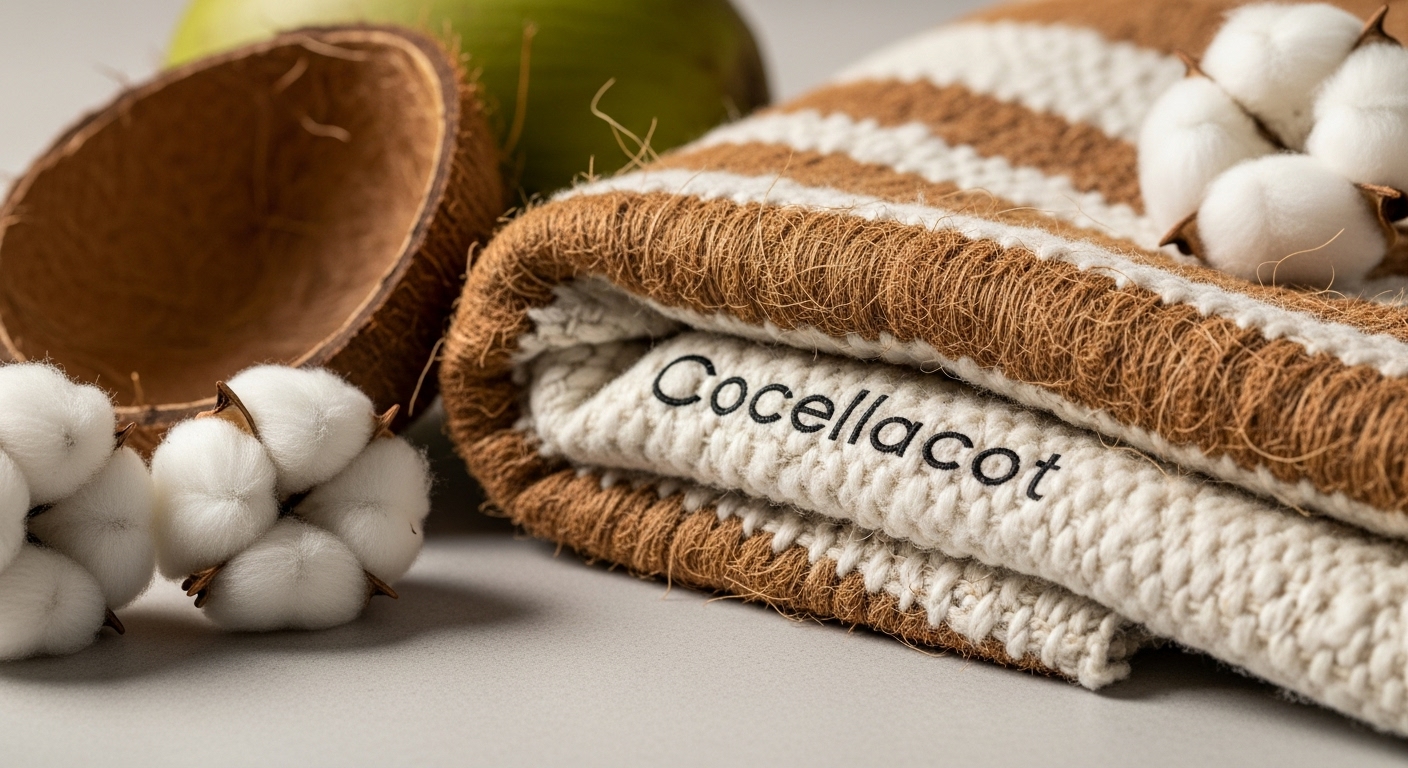
Introduction to Cocellacot
Cocellacot is a modern term used to describe a plant-based blended material made by combining coconut fiber (coir) and cotton fiber. The idea behind Cocellacot is simple: bring together the strength of coconut fiber and the softness of cotton to create a material that is useful, eco-friendly, and versatile.
In recent years, Cocellacot has gained attention because people are looking for more natural and sustainable alternatives to fully synthetic materials. By using two well-known natural fibers, Cocellacot offers a balanced solution that supports comfort, durability, and environmental care.
This article explains Cocellacot in detail—what it is, how it is made, where it is used, and why it matters.
What Is Cocellacot?
Cocellacot is a fiber blend that combines:
- Coconut fiber (coir): Taken from the husk of coconuts
- Cotton fiber: Harvested from cotton plants
The blend is designed to take advantage of the best qualities of both fibers. Coconut fiber is strong, breathable, and naturally resistant to moisture. Cotton fiber is soft, flexible, and gentle on the skin. Together, they form Cocellacot, a material that is both practical and comfortable.
Cocellacot is not a chemical product or synthetic invention. It is based on natural fibers that have been used by humans for centuries.
The Origin of the Cocellacot Concept
The concept of Cocellacot comes from the growing need to reduce dependence on plastic-based materials. Coconut husks are often discarded as waste, while cotton is widely available but sometimes lacks strength when used alone.
By blending these two fibers, manufacturers and researchers aim to:
- Reduce agricultural waste
- Improve material performance
- Promote sustainable production
Cocellacot represents a smart use of existing natural resources, rather than creating something entirely new or artificial.
How Cocellacot Is Made
Step 1: Collecting Coconut Fiber
Coconut husks are soaked and processed to separate the coarse fibers. These fibers are cleaned and dried before use.
Step 2: Preparing Cotton Fiber
Cotton is harvested, cleaned, and combed to remove impurities and align the fibers.
Step 3: Blending the Fibers
The coconut and cotton fibers are mixed in specific ratios, depending on the intended use of Cocellacot. More coconut fiber increases strength, while more cotton increases softness.
Step 4: Forming the Material
The blended fibers are spun, pressed, or woven into sheets, threads, or padding, depending on the final product.
This process keeps Cocellacot chemical-light and environmentally responsible.
Key Properties of Cocellacot
Cocellacot stands out because of its balanced properties:
- Natural and biodegradable
- Strong yet flexible
- Breathable and moisture-managing
- Comfortable to touch
- Low environmental impact
These properties make Cocellacot suitable for many everyday uses.
Common Uses of Cocellacot
Cocellacot in Textiles
Cocellacot can be used in fabrics for clothing, bags, and home textiles. The cotton provides softness, while coconut fiber adds durability.
Cocellacot in Home Products
Items like floor mats, cushions, and mattress layers often benefit from Cocellacot’s breathability and strength.
Cocellacot in Packaging
Because it is biodegradable, Cocellacot is sometimes explored as an eco-friendly packaging filler or protective wrap.
Cocellacot in Craft and DIY Projects
Artists and hobbyists use Cocellacot sheets and fibers for handmade products, decorations, and natural crafts.
Environmental Benefits of Cocellacot
One of the biggest reasons Cocellacot is valued is its environmental friendliness.
- Coconut fiber uses agricultural waste that would otherwise be thrown away
- Cotton is plant-based and renewable
- Cocellacot breaks down naturally over time
- It reduces reliance on plastic and synthetic fibers
Using Cocellacot supports a more circular and responsible material system.
Cocellacot vs Synthetic Materials
Compared to Polyester
Polyester is plastic-based and does not biodegrade easily. Cocellacot is plant-based and breaks down naturally.
Compared to Nylon
Nylon is strong but not breathable and has a high environmental cost. Cocellacot offers strength with better airflow and lower impact.
Compared to Pure Cotton
Pure cotton is soft but can wear out faster. Cocellacot improves durability while keeping comfort.
Durability and Maintenance of Cocellacot
Cocellacot is designed for long-term use when cared for properly.
- Keep it dry when possible
- Clean gently with mild soap
- Avoid harsh chemicals
- Allow airflow to prevent moisture buildup
With proper care, Cocellacot products can last for years.
Safety and Comfort of Cocellacot
Cocellacot is generally safe for daily use because it:
- Contains no harmful plastics
- Is gentle on skin
- Allows airflow to reduce odor and moisture
This makes Cocellacot suitable for household and personal products.
The Future of Cocellacot
As sustainability becomes more important, Cocellacot is expected to grow in popularity. Research continues to improve fiber blending methods and expand its uses.
Future developments may include:
- Stronger Cocellacot composites
- Wider use in eco-fashion
- Increased adoption in packaging
Cocellacot fits well into a future focused on natural solutions.
Frequently Asked Questions About Cocellacot
1. What is Cocellacot made from?
Cocellacot is made from coconut fiber and cotton fiber.
2. Is Cocellacot environmentally friendly?
Yes, Cocellacot is biodegradable and made from renewable plant materials.
3. Is Cocellacot comfortable to use?
Yes, cotton adds softness while coconut fiber provides support.
4. Can Cocellacot replace synthetic materials?
In many uses, Cocellacot can be a natural alternative to synthetics.
5. Is Cocellacot safe for everyday products?
Yes, it is generally safe and free from harmful plastics.
Conclusion
Cocellacot is a thoughtful blend of coconut fiber and cotton fiber that brings together strength, comfort, and sustainability. By using natural materials wisely, Cocellacot offers a practical solution for textiles, home products, and eco-friendly applications.
Its balanced properties, low environmental impact, and wide range of uses make Cocellacot a promising material for today and the future. As people continue to look for greener choices, Cocellacot stands out as a simple yet powerful example of how natural resources can be used responsibly and effectively.
