

Introduction to Cholerhiasis
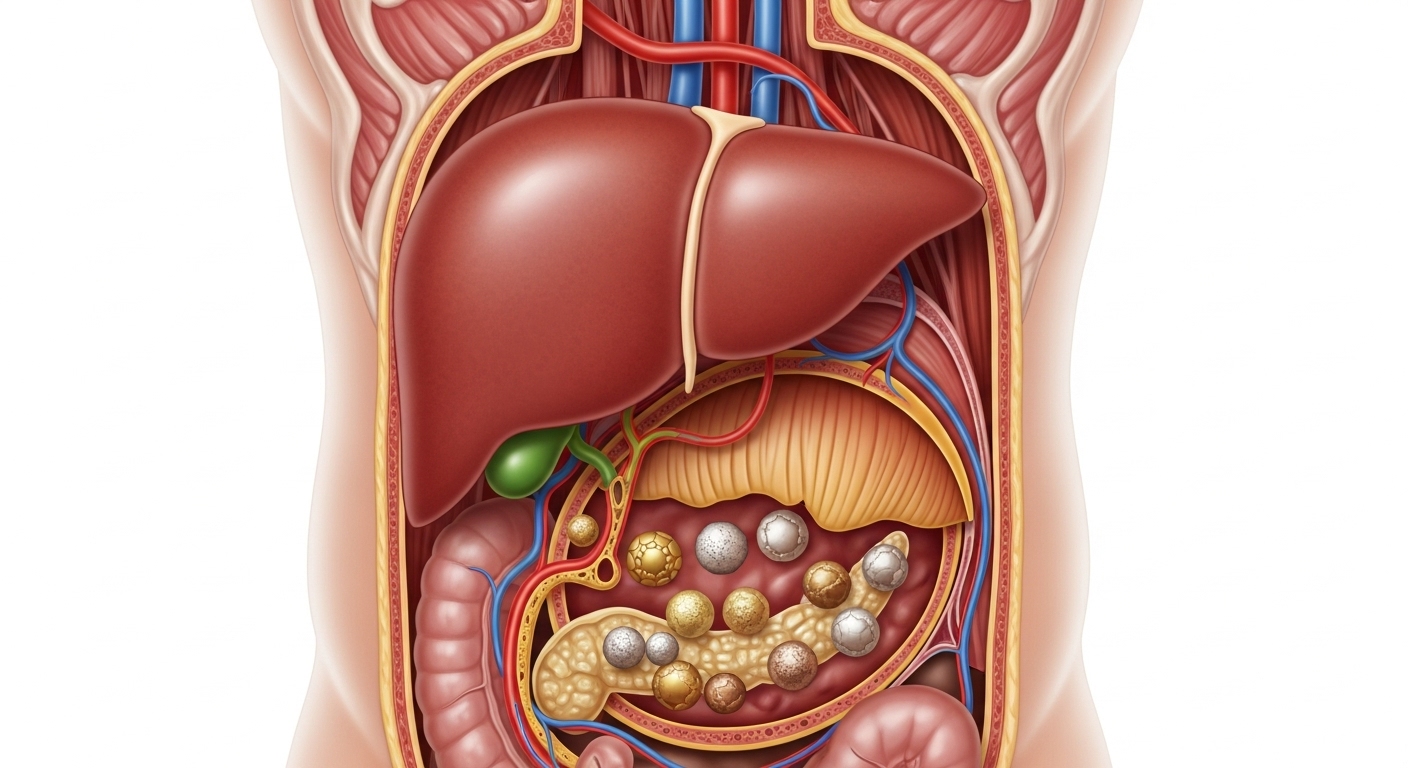
Cholerhiasis is a health condition that happens when hard stones form inside the gallbladder. These stones are called gallstones. The gallbladder is a small organ in the body that helps with digestion. When these stones form, the condition is known as cholerhiasis.
Cholerhiasis can affect people of all ages, but it is more common in adults. Some people with cholerhiasis may feel pain, while others may not feel anything at all. This article will explain cholerhiasis in a very simple way so everyone can understand what it is, why it happens, how it feels, and how doctors treat it.
What Is Cholerhiasis?
Cholerhiasis means the presence of gallstones in the gallbladder. Gallstones are small, hard pieces that form from bile. Bile is a yellow-green liquid made by the liver to help digest fats.
When bile becomes too thick or has too much of certain substances, it can turn into stones. When these stones stay in the gallbladder, the condition is called cholerhiasis.
Gallstones can be very tiny like grains of sand or large like small rocks.
Understanding the Gallbladder in Cholerhiasis
The gallbladder is a small pouch-like organ found under the liver on the right side of the body. Its main job is to store bile and release it when food needs to be digested.
In cholerhiasis, gallstones block or irritate the gallbladder. This can stop bile from flowing normally, which may cause pain or other problems.
How Cholerhiasis Develops
Cholerhiasis develops slowly over time. Gallstones form when:
- Bile contains too much cholesterol
- Bile becomes too thick
- The gallbladder does not empty properly
When bile sits in the gallbladder for too long, it can harden and form stones. Over time, more stones can develop, leading to cholerhiasis.
Types of Gallstones in Cholerhiasis
There are two main types of gallstones seen in cholerhiasis:
Cholesterol Stones
These are the most common. They are usually yellow and form when bile has too much cholesterol.
Pigment Stones
These stones are darker and form when bile has too much bilirubin.
Both types can cause cholerhiasis.
Symptoms of Cholerhiasis
Some people with cholerhiasis have no symptoms. This is called silent cholerhiasis. Others may experience symptoms such as:
- Pain in the upper right side of the belly
- Pain after eating fatty foods
- Nausea or vomiting
- Bloating
- Indigestion
The pain from cholerhiasis can be mild or very strong. It may last for minutes or hours.
When Cholerhiasis Pain Happens
Pain from cholerhiasis often happens after meals, especially meals high in fat. The gallbladder tries to release bile, but the stones block the flow, causing pain.
This pain may move to the back or right shoulder.
Who Is More Likely to Get Cholerhiasis
Cholerhiasis can happen to anyone, but some people have a higher risk, including:
- Adults over 40
- People who eat a lot of fatty foods
- People who are overweight
- People who lose weight very fast
- People with family members who had cholerhiasis
Cholerhiasis in Children
Cholerhiasis is less common in children, but it can still happen. In children, it may be linked to diet, genetics, or certain health conditions.
How Doctors Diagnose Cholerhiasis
Doctors use simple tests to find cholerhiasis. These may include:
- Asking about symptoms
- Physical examination
- Imaging tests like ultrasound
Ultrasound is the most common test because it is painless and safe.
Is Cholerhiasis Dangerous?
Cholerhiasis itself is not always dangerous. Many people live with gallstones without any problems. However, if gallstones cause blockage or infection, cholerhiasis can become serious.
That is why it is important to see a doctor if symptoms appear.
Complications of Cholerhiasis
If cholerhiasis is not treated when symptoms are present, it can lead to:
- Gallbladder inflammation
- Severe pain attacks
- Infection
- Blocked bile flow
Early diagnosis helps prevent these problems.
Treatment Options for Cholerhiasis
Treatment for cholerhiasis depends on symptoms.
No Symptoms
If cholerhiasis causes no pain, doctors may suggest no treatment and regular monitoring.
Medicines
In some cases, medicines can help dissolve gallstones, but this takes time and does not work for everyone.
Surgery
If cholerhiasis causes repeated pain, doctors may remove the gallbladder. This surgery is common and safe.
Life After Cholerhiasis Treatment
People can live a normal life without a gallbladder. The body learns to digest food without storing bile.
Most people feel better and have no more pain after treatment for cholerhiasis.
Can Cholerhiasis Be Prevented?
Cholerhiasis cannot always be prevented, but some healthy habits may lower risk:
- Eating balanced meals
- Avoiding very fatty foods
- Drinking enough water
- Staying active
- Maintaining a healthy weight
These habits support gallbladder health.
Cholerhiasis and Daily Life
Many people with cholerhiasis live normal lives. When symptoms appear, simple changes in diet can help reduce discomfort.
Listening to the body and seeking medical advice early makes managing cholerhiasis easier.
Common Myths About Cholerhiasis
- Myth: Cholerhiasis always causes pain
Truth: Many people have no symptoms. - Myth: Only adults get cholerhiasis
Truth: Children can also get it, though rarely. - Myth: Surgery is always required
Truth: Treatment depends on symptoms.
Why Understanding Cholerhiasis Is Important
Knowing about cholerhiasis helps people recognize symptoms early. Early action can prevent pain and complications.
Education makes cholerhiasis less scary and easier to manage.
Conclusion
Cholerhiasis is a condition where gallstones form inside the gallbladder. It can cause pain or remain silent without symptoms. Cholerhiasis happens when bile becomes thick and forms stones over time. While some people need treatment, others may not.
Understanding cholerhiasis helps people take better care of their health. With proper diagnosis, simple treatment, and healthy habits, most people with cholerhiasis can live a comfortable and normal life.
