

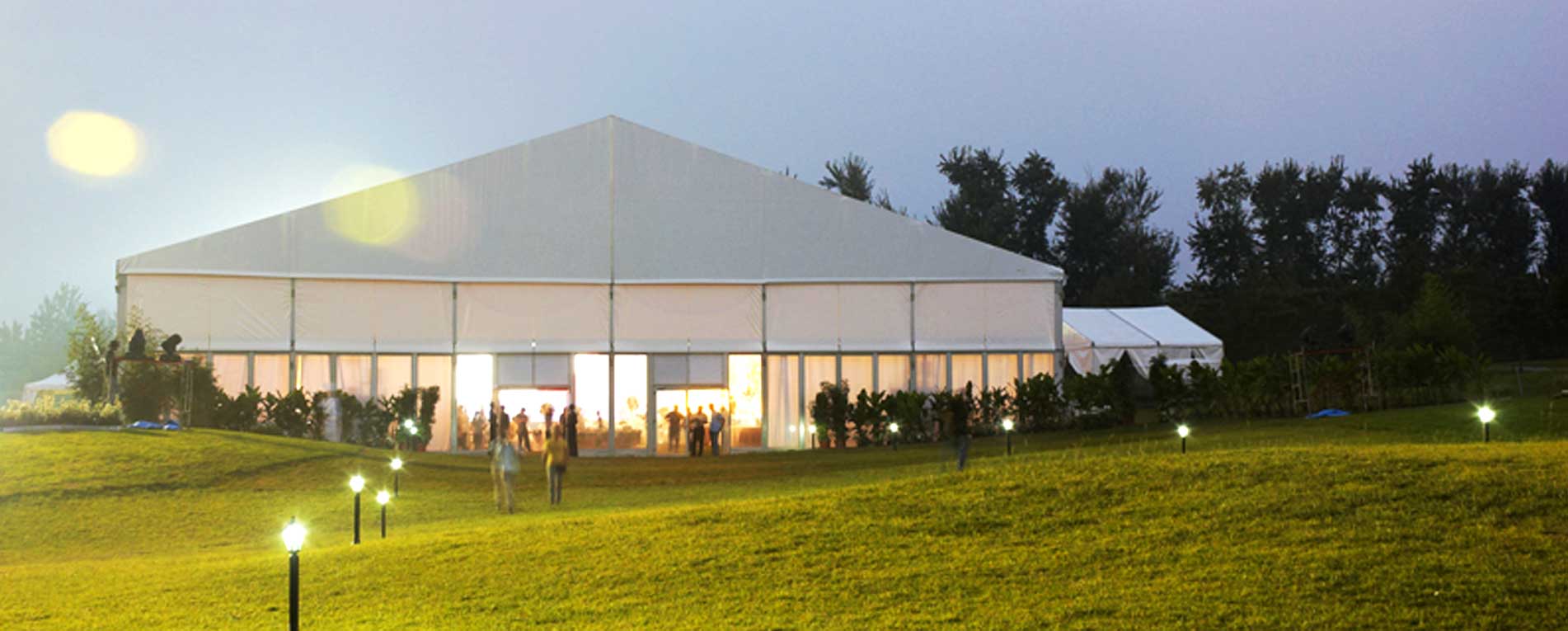
Event spaces have undergone a remarkable transformation over the past few decades. What were once considered simple structures designed to provide shelter from the elements have evolved into sophisticated commercial environments that play a central role in marketing, customer engagement and brand storytelling.
From festivals and sporting events to trade exhibitions and corporate activations, temporary event structures now serve as powerful business tools. They are no longer just practical necessities. Instead, they have become carefully designed spaces that influence how visitors interact with brands and experience events.
From Functional Cover to Strategic Asset
Historically, temporary event structures were primarily judged by their practicality. Organisers needed a reliable shelter that could be assembled quickly and provide protection from weather conditions.
While these requirements remain important, today’s event spaces are expected to deliver much more. Businesses now view temporary structures as extensions of their brand identity. Every aspect of the space, from its appearance and layout to its visual messaging, contributes to how visitors perceive the organisation behind it.
This shift has transformed temporary structures from operational necessities into valuable commercial assets.
The Experience Economy Has Changed Expectations
Modern audiences increasingly value experiences over simple transactions. As a result, businesses attending events can no longer rely solely on products or services to attract attention.
Visitors expect engaging environments that encourage exploration, interaction and participation. Event spaces are therefore designed to create memorable experiences that leave lasting impressions long after the event itself has ended.
The structure becomes part of the story, helping organisations communicate their values, personality and expertise in ways that traditional advertising often cannot achieve.
Event Spaces as Brand Destinations
One of the most significant changes in recent years is the way businesses use temporary structures to create destinations rather than simply occupy space.
A well-designed event environment encourages visitors to stop, engage and spend time within the space. Whether through immersive displays, interactive demonstrations, hospitality areas or product showcases, businesses can create meaningful interactions that strengthen brand awareness and build relationships.
This approach recognises that attention is increasingly difficult to capture and that physical experiences can often achieve what digital channels alone cannot.
Visual Impact Drives Engagement
At busy events, organisations compete against dozens or even hundreds of other exhibitors and attractions. Standing out requires more than simply having a presence.
Visual design plays a crucial role in attracting visitors from a distance and encouraging closer engagement. Colour, graphics, lighting, layout and branding all contribute to how a space performs.
Materials such as those available through Soyang Europe help businesses create visually striking structures that support both branding and functionality. High-quality printed solutions enable organisations to maintain a professional appearance while ensuring their message remains highly visible throughout an event.
Flexibility Supports Modern Marketing
Another reason why temporary event structures have become so valuable is their flexibility. Businesses can adapt their presence to suit different audiences, locations and campaign objectives without investing in permanent infrastructure.
A structure used at a trade show may be reconfigured for a product launch, community event or industry exhibition. This adaptability allows organisations to maximise the value of their investment while maintaining a consistent brand presence across multiple events.
As marketing strategies become increasingly agile, flexible event spaces provide a practical solution that aligns with evolving business needs.
The Commercial Value of Face-to-Face Interaction
Despite the growth of digital marketing, face-to-face engagement remains one of the most effective ways to build trust and strengthen customer relationships.
Temporary event spaces provide opportunities for businesses to showcase expertise, answer questions, demonstrate products and create personal connections with potential customers. These interactions often lead to stronger engagement because they combine visual branding with real human experiences.
The structure itself acts as a platform that supports these valuable conversations and interactions.
Looking Beyond the Event
Perhaps the most important lesson in the evolution of event spaces is that their impact extends beyond the event itself. Visitors may only spend a short period within a branded environment, but the memories and impressions they take away can influence future decisions and perceptions.
A successful event space helps create stories that attendees share with colleagues, customers and online audiences. It strengthens brand recognition and contributes to long-term marketing objectives that continue long after the structure has been dismantled.
More Than Just Shelter
The commercial evolution of event spaces reflects broader changes in how businesses communicate with audiences. Temporary structures are no longer simply practical solutions designed to provide cover. They have become strategic marketing environments capable of attracting attention, creating experiences and strengthening brand relationships.
As organisations continue searching for new ways to stand out in increasingly competitive markets, the role of event spaces is likely to become even more significant. What begins as a temporary structure can ultimately become one of the most powerful tools for creating lasting commercial impact.
