

Decarbonisation is no longer a distant ambition for businesses. It is becoming a practical, measurable priority shaped by regulation, investor expectations, customer pressure, and long-term commercial resilience. Yet while many organisations have made bold net-zero commitments, turning those commitments into workable plans is often more complicated than it first appears.
For some sectors, cutting emissions is relatively straightforward. Switching to renewable electricity, improving energy efficiency, and changing suppliers can all make a meaningful difference. However, for industries such as cement, steel, chemicals, refining, and waste-to-energy, emissions are often built into the production process itself. This is where carbon capture can play an important role in creating more realistic decarbonisation strategies.
Moving Beyond One-Size-Fits-All Solutions
A credible decarbonisation plan needs to reflect the realities of each business. Not every company can electrify its operations overnight, and not every industrial process can be redesigned without major cost, downtime, or technical barriers. Treating decarbonisation as a simple checklist can lead to plans that look good on paper but are difficult to deliver in practice.
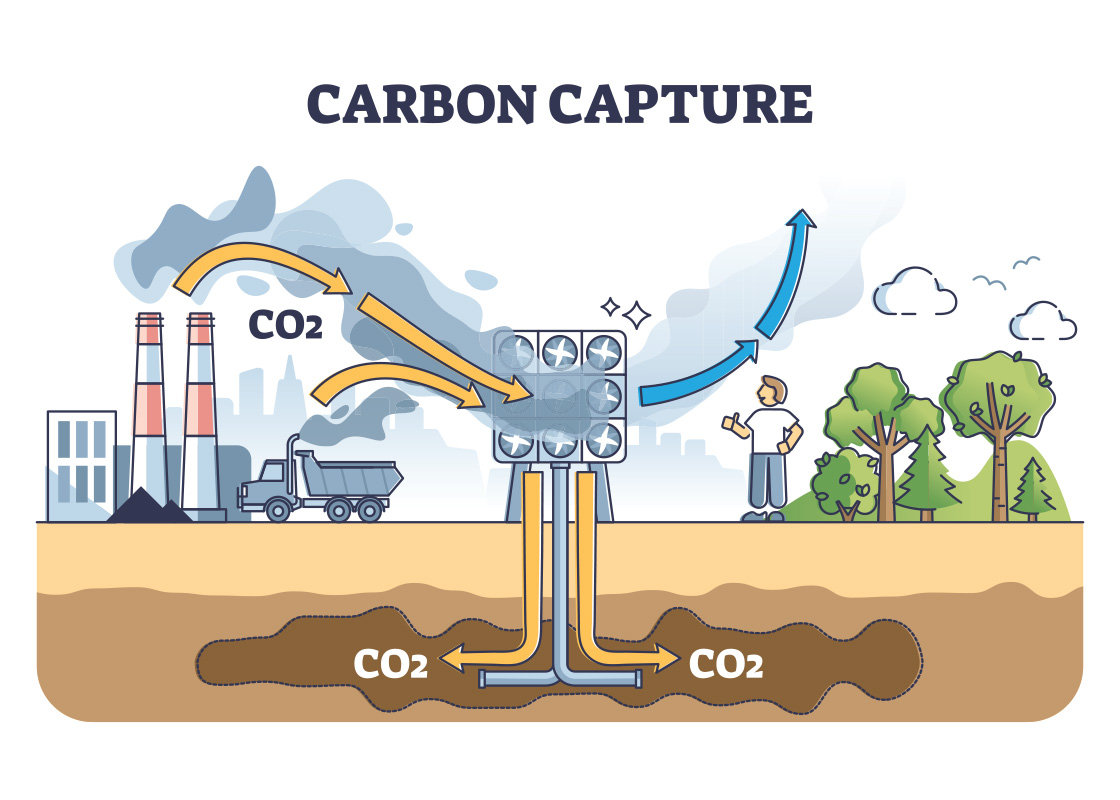
Carbon capture offers another route. By capturing carbon dioxide before it reaches the atmosphere, businesses can reduce emissions from existing facilities while continuing to produce essential materials and products. This does not replace the need for efficiency, renewable energy, or process improvements, but it can sit alongside them as part of a broader, more balanced strategy.
For companies exploring this route, working with specialists such as Carbon Clean can help them understand how carbon capture technology may fit within their wider operational and sustainability goals.
Supporting Hard-to-Abate Industries
Hard-to-abate sectors face a particular challenge. Many of their emissions come from chemical reactions or high-temperature processes, not simply from energy use. Even with cleaner power, these process emissions can remain.
Carbon capture helps address this gap. It gives industrial businesses a way to reduce emissions that are otherwise difficult to eliminate using conventional methods. This can make net-zero plans more achievable, especially for companies that need to maintain production while gradually investing in cleaner technologies.
It also supports a more phased approach. Rather than waiting for a perfect future solution, businesses can begin reducing emissions now while continuing to improve systems over time.
Building Confidence in Net Zero Targets
Ambitious climate targets are important, but they need to be backed by practical pathways. Stakeholders increasingly want to see evidence that companies understand their emissions, have identified realistic reduction measures, and are investing in credible solutions.
Carbon capture can strengthen this confidence by helping organisations bridge the gap between current operations and future low-carbon models. When used thoughtfully, it turns decarbonisation from a vague promise into a more structured plan.
A Practical Part of the Transition
Carbon capture is not a single answer to every climate challenge. However, for many industrial businesses, it can be an essential tool in the transition. By combining carbon capture with efficiency improvements, cleaner energy, and long-term innovation, companies can create decarbonisation plans that are not only ambitious but also achievable.
In a world where climate action must move from commitment to delivery, realistic planning matters. Carbon capture can help businesses take meaningful steps today while preparing for a lower-carbon future.
