

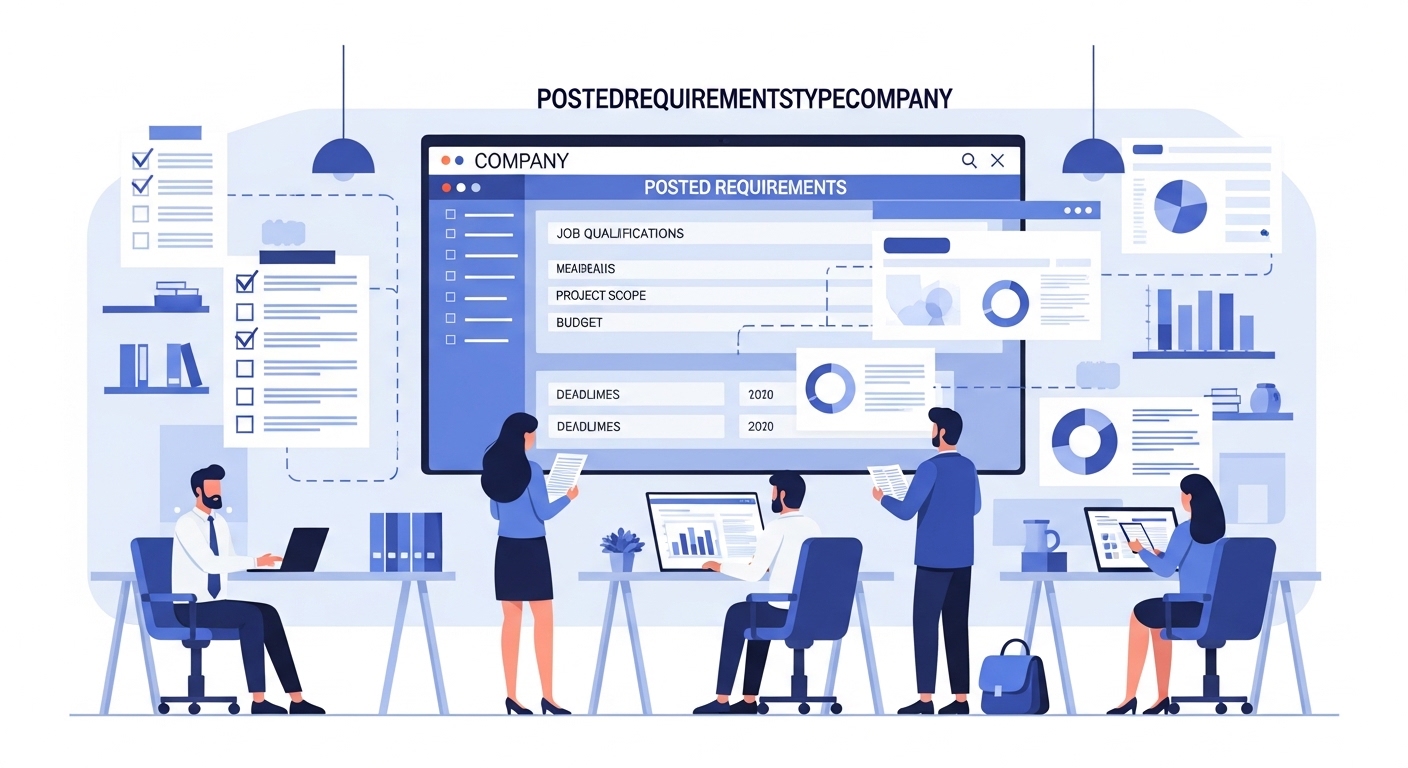
The term postedrequirementstypecompany may look technical at first glance, but it represents an important concept in modern business operations. A postedrequirementstypecompany is a company that publicly posts specific requirements related to jobs, projects, contracts, services, or partnerships. These posted requirements help businesses clearly communicate what they need and allow others to respond in an organized way.
In today’s digital world, clarity and transparency are critical. Companies that follow the postedrequirementstypecompany model make their expectations clear from the start. This saves time, reduces confusion, and improves results.
In this detailed guide, you will learn what a postedrequirementstypecompany is, how it works, why it matters, and how businesses and individuals can benefit from it.
What Is a Postedrequirementstypecompany?
A postedrequirementstypecompany is a business that shares its requirements openly before selecting employees, vendors, or partners. These requirements can include:
- Job qualifications
- Project details
- Budget expectations
- Technical specifications
- Legal conditions
- Delivery timelines
Instead of selecting someone privately or randomly, a postedrequirementstypecompany clearly explains what it needs and invites applications or proposals.
For example, if a software company needs a website developer, it will post detailed requirements such as:
- Knowledge of certain programming languages
- Experience level
- Project duration
- Expected delivery date
This structured approach creates fairness and efficiency.
Why the Postedrequirementstypecompany Model Matters
The postedrequirementstypecompany model plays a key role in modern business systems. It improves transparency, accountability, and quality control.
1. Promotes Transparency
When requirements are posted publicly, everyone understands the expectations. There are no hidden conditions. This builds trust between the company and applicants.
2. Saves Time
Clear requirements prevent unqualified applications. This reduces time spent reviewing irrelevant proposals.
3. Encourages Competition
By posting requirements openly, multiple individuals or companies can compete. Healthy competition often leads to better quality and pricing.
4. Reduces Misunderstandings
When everything is written clearly, there is less room for confusion later.
Types of Posted Requirements in a Postedrequirementstypecompany
A postedrequirementstypecompany may post different kinds of requirements depending on its needs.
Job Requirements
Many companies post hiring requirements. These may include:
- Educational background
- Skills
- Work experience
- Language proficiency
For example, global companies like Google publicly list detailed job requirements on their careers page. This ensures that applicants know exactly what is expected.
Project Requirements
Businesses often post project-based requirements. For example:
- Construction blueprints
- Software development specifications
- Marketing campaign goals
Freelancing platforms like Upwork operate on a postedrequirementstypecompany model where clients describe project needs and freelancers submit proposals.
Vendor or Supplier Requirements
Large organizations sometimes invite suppliers to submit bids. This is common in government and corporate sectors.
For example, World Bank publishes procurement requirements for global contractors. This ensures fairness and compliance.
Compliance and Regulatory Requirements
Certain industries must post compliance rules publicly. This ensures safety and legal standards are followed.
How a Postedrequirementstypecompany Operates
The process usually follows a structured pattern.
Step 1: Identifying the Need
The company defines what it requires. This could be a new employee, service provider, or technical solution.
Step 2: Writing Clear Requirements
The postedrequirementstypecompany creates a detailed document. This document may include:
- Scope of work
- Timeline
- Payment terms
- Eligibility criteria
Clarity is essential at this stage.
Step 3: Publishing the Requirement
The requirement is posted on:
- The company website
- Job portals
- Procurement platforms
- Social media
Step 4: Receiving Applications or Proposals
Interested parties submit their responses based on the posted criteria.
Step 5: Evaluation and Selection
The company compares submissions against the original requirements and selects the best match.
Real-World Examples of Postedrequirementstypecompany Practices
Understanding real examples makes the concept clearer.
Corporate Hiring Systems
Major companies like Microsoft use detailed job postings that describe qualifications, responsibilities, and benefits. This is a classic example of the postedrequirementstypecompany approach.
Government Tenders
Governments worldwide follow this model when issuing tenders. They publicly post requirements and select suppliers through structured evaluation.
Online Marketplaces
E-commerce companies often post vendor standards. For example, Amazon outlines clear seller requirements before allowing businesses to join its marketplace.
Benefits of Being a Postedrequirementstypecompany
Adopting the postedrequirementstypecompany structure offers many advantages.
Improved Quality
When requirements are detailed, responses are more accurate and higher quality.
Legal Protection
Written requirements serve as documented proof in case of disputes.
Better Budget Control
Clear budget expectations prevent unexpected costs.
Stronger Reputation
Companies that communicate clearly build credibility.
Challenges Faced by a Postedrequirementstypecompany
Although the system is effective, it is not perfect.
Overly Complex Requirements
If requirements are too complicated, fewer applicants may respond.
Information Overload
Companies may receive too many applications, making evaluation time-consuming.
Misinterpretation
Even clear documents can sometimes be misunderstood.
To avoid these issues, a postedrequirementstypecompany should use simple language and structured formatting.
How to Create Effective Requirements
If you want your business to function as a successful postedrequirementstypecompany, follow these best practices:
Be Specific
Avoid vague words like “experienced” without explaining what that means.
Set Measurable Criteria
Instead of saying “good communication skills,” specify required certifications or years of experience.
Define Deadlines Clearly
Mention submission and completion dates.
Explain Evaluation Criteria
Tell applicants how proposals will be judged.
Postedrequirementstypecompany in the Digital Age
Technology has made the postedrequirementstypecompany model easier and more efficient.
Online platforms allow instant posting, quick application submissions, and automated filtering systems. Artificial intelligence tools now help companies screen candidates based on requirement matching.
Cloud-based project management systems also support transparency by tracking milestones and deliverables.
Digital transformation has made postedrequirementstypecompany systems faster, smarter, and more accessible globally.
Differences Between Traditional Companies and a Postedrequirementstypecompany
| Traditional Approach | Postedrequirementstypecompany Approach |
|---|---|
| Private selection | Public requirement posting |
| Limited competition | Open competition |
| Informal expectations | Documented criteria |
| Higher risk of bias | Structured evaluation |
The postedrequirementstypecompany model reduces bias and improves fairness.
Who Should Use the Postedrequirementstypecompany Model?
This model works well for:
- Startups hiring new staff
- Large corporations seeking suppliers
- Government departments issuing tenders
- Freelancers searching for structured clients
- Nonprofit organizations seeking partners
In short, any organization that values clarity and transparency can benefit.
The Future of Postedrequirementstypecompany Systems
As industries grow more competitive, transparency becomes more important. Businesses are expected to provide clear details about opportunities and expectations.
Automation, data analytics, and digital verification tools will continue to strengthen the postedrequirementstypecompany model.
Companies that adapt to this structured approach are more likely to attract high-quality talent and reliable partners.
FAQs About Postedrequirementstypecompany
1. What is a postedrequirementstypecompany?
A postedrequirementstypecompany is a business that publicly posts clear requirements before selecting employees, vendors, or partners.
2. Why is the postedrequirementstypecompany model important?
It improves transparency, fairness, and efficiency in business processes.
3. Who can use the postedrequirementstypecompany approach?
Any organization, including startups, corporations, and governments.
4. Does a postedrequirementstypecompany reduce hiring mistakes?
Yes, clear requirements help attract qualified applicants and reduce mismatches.
5. Is the postedrequirementstypecompany model suitable for small businesses?
Yes, small businesses benefit from clear expectations and organized selection processes.
Conclusion
The postedrequirementstypecompany model represents a structured and transparent way of conducting business. By clearly defining and publishing requirements, companies create fair opportunities, reduce confusion, and improve results.
Whether used for hiring, procurement, or partnerships, the postedrequirementstypecompany approach promotes accountability and efficiency. In a competitive and fast-moving world, clarity is power. Businesses that communicate their needs openly are more likely to succeed, build trust, and maintain long-term growth.
Adopting the postedrequirementstypecompany structure is not just a trend. It is a smart and practical strategy for modern organizations that want to operate with professionalism and transparency.
