

Introduction
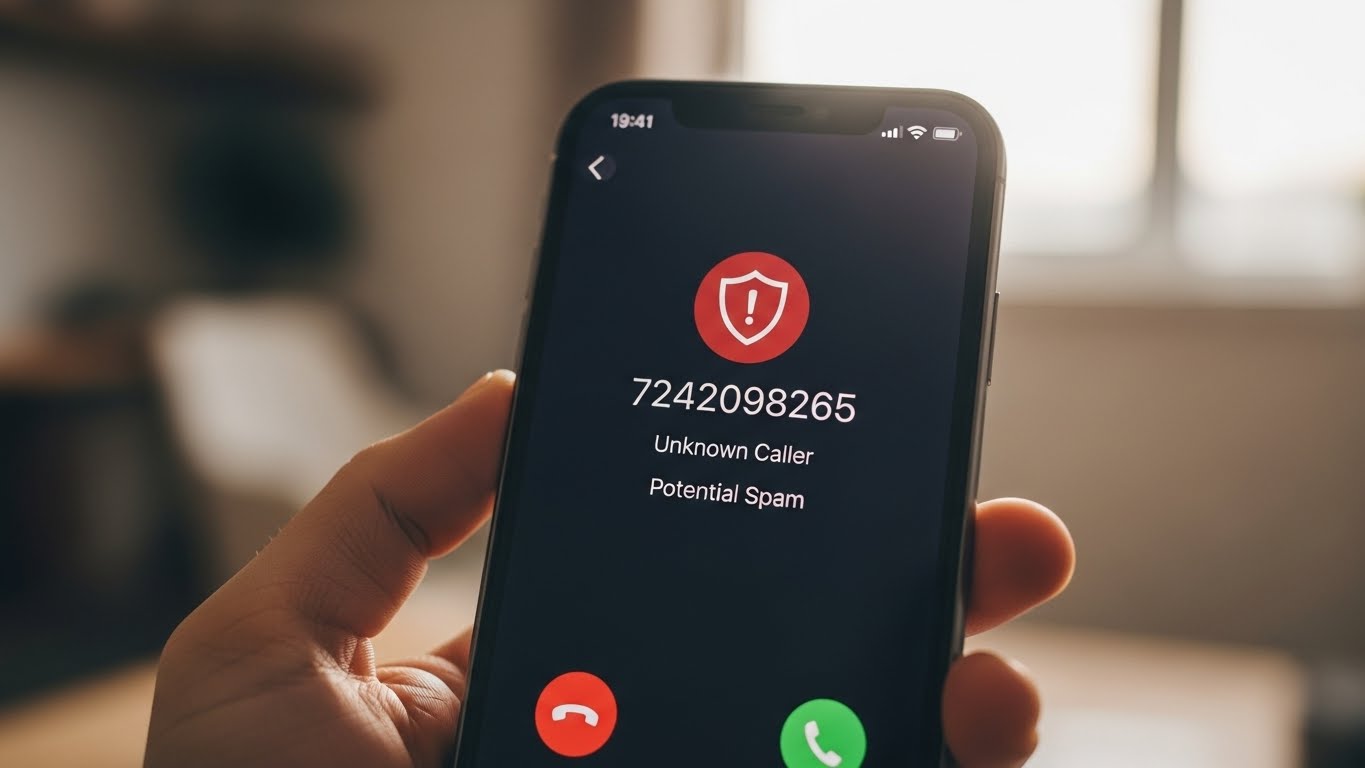
In today’s hyper-connected world, receiving calls from unfamiliar numbers has become an almost daily occurrence for most Americans. One number that has been generating significant attention and concern is 7242098265. If you’ve seen this number appear on your caller ID, you’re certainly not alone. Thousands of people across the United States have reported receiving calls from 7242098265, sparking curiosity and concern about the caller’s identity and intentions.
Understanding who’s behind mysterious phone numbers like 7242098265 is more than just satisfying curiosity—it’s about protecting yourself from potential scams, unwanted solicitations, and privacy invasions. The Federal Trade Commission receives millions of complaints about unwanted calls each year, with robocalls and telemarketing schemes becoming increasingly sophisticated. This particular number has appeared frequently enough to warrant investigation and discussion among consumer protection advocates.
This comprehensive guide will explore everything you need to know about calls from 7242098265, including identifying the caller, understanding your rights under federal law, and implementing practical strategies to protect yourself. Whether you’ve received multiple calls from this number or just one suspicious attempt, the information presented here will empower you to make informed decisions about how to respond. By understanding the patterns, potential risks, and available protections, you can take control of your phone privacy and avoid falling victim to common telecommunications scams that plague American consumers daily.
Identifying the Source of 7242098265
The phone number 7242098265 originates from the 724 area code, which primarily serves the western Pennsylvania region, including cities like Pittsburgh and surrounding communities. However, in the modern telecommunications landscape, area codes don’t always reflect the caller’s actual location. Thanks to Voice over Internet Protocol (VoIP) technology and number spoofing techniques, callers can display virtually any number they choose, regardless of where they’re physically located. This technological capability has made identifying the true source of calls from numbers like 7242098265 significantly more challenging for average consumers.
Reports from various consumer complaint databases and call-tracking applications suggest that 7242098265 has been associated with several different types of callers over time. Some users report receiving calls related to debt collection attempts, while others describe telemarketing pitches for insurance products, extended warranties, or home improvement services. The inconsistency in reported caller identities may indicate that the number is being used by multiple entities or that it’s been spoofed by different organizations. Legitimate businesses typically maintain consistent calling patterns and clearly identify themselves, whereas the varied reports surrounding 7242098265 raise red flags about the authenticity of these calls.
Read More: QuikConsole Com
Common Reasons for Receiving Calls from This Number
One of the most frequently reported reasons people receive calls from 7242098265 involves debt collection activities. Debt collectors often use multiple phone numbers to reach individuals, and this particular number has been linked to collection attempts for various types of debts, including medical bills, credit card balances, and personal loans. Under the Fair Debt Collection Practices Act (FDCPA), legitimate debt collectors must follow strict guidelines when contacting consumers, including identifying themselves clearly and providing written validation of debts upon request. If you’re receiving calls about debts you don’t recognize, it’s essential to request written verification before acknowledging any obligation.
Another common scenario involves telemarketing campaigns for products or services. Marketing companies frequently use automated dialing systems to reach potential customers, and 7242098265 may be part of such a campaign. These calls might promote anything from insurance policies and credit card offers to home security systems and solar panel installations. While legitimate telemarketing is legal under certain conditions, the Telephone Consumer Protection Act (TCPA) requires companies to honor Do Not Call registry listings and obtain prior consent for automated calls to cell phones. Many consumers find these unsolicited marketing calls frustrating and intrusive, especially when they arrive at inconvenient times or persist despite requests to stop calling.
Red Flags and Warning Signs to Watch For
When receiving calls from 7242098265 or any unfamiliar number, certain warning signs can help you identify potentially fraudulent or problematic callers. One major red flag is when the caller creates an artificial sense of urgency, claiming you must act immediately to avoid serious consequences like legal action, account suspension, or loss of benefits. Legitimate businesses and government agencies rarely demand immediate action without providing proper documentation and reasonable time frames. Scammers use pressure tactics to prevent you from thinking critically or seeking advice from trusted sources before making decisions.
Another significant warning sign involves requests for sensitive personal information or payment through unusual methods. If a caller from 7242098265 asks for your Social Security number, banking details, or credit card information without a clear, verifiable reason, proceed with extreme caution. Similarly, be wary if they insist on payment through wire transfers, cryptocurrency, gift cards, or prepaid debit cards—these payment methods are favorites among scammers because they’re difficult to trace and nearly impossible to reverse. Legitimate companies offer conventional payment options and don’t pressure you into using specific, unconventional methods. Trust your instincts; if something feels off about the conversation, it probably is, and ending the call is always the safest choice.
Your Legal Rights Regarding Unwanted Calls
American consumers enjoy robust legal protections against unwanted telephone solicitations through several federal laws. The Telephone Consumer Protection Act (TCPA), enacted in 1991 and updated multiple times, restricts telemarketing calls, automated telephone calls, and text messages. Under the TCPA, companies cannot call your cell phone using automated systems or prerecorded messages without your prior express written consent. Additionally, telemarketers must honor the National Do Not Call Registry, which allows consumers to opt out of most commercial telemarketing calls. Violations of the TCPA can result in penalties ranging from $500 to $1,500 per illegal call, and consumers have the right to sue violators in small claims court.
The Fair Debt Collection Practices Act provides additional protections specifically for those dealing with debt collectors. If 7242098265 represents a debt collection agency, they must follow strict rules: they cannot call before 8 a.m. or after 9 p.m. in your time zone, they must identify themselves and the debt they’re collecting, and they cannot harass, threaten, or use deceptive practices. You have the right to request that debt collectors stop calling you entirely by sending a written cease-and-desist letter. Furthermore, you can demand validation of the debt within 30 days of initial contact, and collectors must stop collection efforts until they provide proper documentation. Understanding these rights empowers you to take control of unwanted calls and hold violators accountable for their actions.
Effective Strategies to Block and Report the Number
Taking proactive steps to block calls from 7242098265 can significantly reduce disruptions and protect your privacy. Most modern smartphones include built-in call-blocking features that allow you to permanently block specific numbers. On iPhone devices, simply tap the information icon next to the number in your recent calls list, scroll down, and select “Block this Caller.” Android users can access similar functionality through their phone app by selecting the number, tapping “More” or the three-dot menu, and choosing “Block number.” These native features are completely free and provide immediate relief from unwanted calls.
Beyond basic phone blocking, several third-party applications offer enhanced protection against spam and scam calls. Popular apps like RoboKiller, Truecaller, Hiya, and Nomorobo use extensive databases of known spam numbers and sophisticated algorithms to identify and block suspicious calls automatically. Many of these applications also provide reverse phone lookup features, allowing you to research numbers like 7242098265 and see reports from other users who’ve received similar calls. Additionally, major carriers including Verizon, AT&T, and T-Mobile now offer spam-blocking services, sometimes free and sometimes for a small monthly fee. Reporting the number to the Federal Trade Commission at ReportFraud.ftc.gov creates an official record that helps authorities identify patterns and take enforcement action against illegal calling operations.
What to Do If You’ve Already Engaged with the Caller
If you’ve already answered calls from 7242098265 and provided personal information, don’t panic—swift action can minimize potential damage. First, assess exactly what information you shared during the conversation. If you provided financial details like credit card numbers, bank account information, or Social Security numbers, contact your financial institutions immediately to alert them of potential fraud. Request that they monitor your accounts for suspicious activity and consider placing fraud alerts or security freezes on your credit reports through the three major credit bureaus: Equifax, Experian, and TransUnion. These preventive measures make it significantly harder for identity thieves to open new accounts in your name.
Document everything about your interaction with 7242098265, including the date, time, duration of the call, and detailed notes about what the caller said and any information you provided. This documentation becomes invaluable if you need to dispute fraudulent charges, report identity theft, or pursue legal action. File reports with both local law enforcement and the Federal Trade Commission’s identity theft website at IdentityTheft.gov, which provides a personalized recovery plan based on your specific situation. If the call involved threats or harassment, consider consulting with an attorney who specializes in consumer protection law—you may have grounds for legal action under the TCPA or FDCPA. Remember that legitimate mistakes happen, and taking these protective steps quickly can prevent minor incidents from escalating into serious financial or identity problems.
Protecting Yourself from Future Suspicious Calls
Building a comprehensive defense against unwanted calls requires multiple layers of protection and smart communication habits. Start by registering all your phone numbers on the National Do Not Call Registry at DoNotCall.gov or by calling 1-888-382-1222 from the number you wish to register. While this won’t stop all unwanted calls—particularly from scammers who ignore the law—it does reduce legitimate telemarketing calls and strengthens your legal position if you need to file complaints. Update your registry listings every few years, though registrations technically don’t expire.
Develop a healthy skepticism toward unexpected calls, even from numbers that appear local or legitimate. When 7242098265 or similar numbers call, let unknown calls go to voicemail rather than answering immediately. Legitimate callers with important business will leave detailed messages with callback information and reference numbers. Never provide personal information to inbound callers; instead, independently verify the organization’s phone number through official websites or statements, then call them back directly using that verified number. Consider using a separate phone number for online registrations, retail loyalty programs, and other situations where you must provide contact information but want to maintain privacy for your primary number. These practices create barriers between you and potential scammers while ensuring you don’t miss important communications.
Understanding the Broader Context of Phone Scams
The proliferation of calls from numbers like 7242098265 reflects a much larger problem affecting millions of Americans. According to the Federal Trade Commission, consumers reported losing over $10 billion to fraud in 2023, with telephone-based scams representing a significant portion of these losses. The relative anonymity of phone communications, combined with sophisticated spoofing technology and access to data breaches containing personal information, has created an environment where scammers can operate with disturbing effectiveness. Understanding the broader landscape helps you recognize that receiving these calls doesn’t reflect anything about you personally—scammers cast wide nets, contacting millions of numbers hoping to find vulnerable targets.
Phone scams have evolved significantly beyond simple telemarketing annoyances into complex operations that can cause severe financial and emotional harm. Modern scammers employ psychological manipulation techniques, sometimes keeping victims on the phone for hours while gradually building trust or creating panic. They may impersonate government agencies like the IRS or Social Security Administration, utility companies threatening service disconnection, or tech support claiming your computer has been compromised. Some sophisticated operations even use artificial intelligence to clone voices of family members, creating convincing emergency scenarios. The FBI’s Internet Crime Complaint Center receives hundreds of thousands of reports annually about these schemes, yet many victims never report their experiences due to embarrassment or lack of awareness about where to turn. Recognizing that 7242098265 represents just one number in a vast ecosystem of fraudulent calling operations helps contextualize your experience and reinforces the importance of remaining vigilant.
Conclusion
Calls from 7242098265 serve as a reminder of the persistent challenges consumers face in maintaining phone privacy and security in the digital age. Whether this number represents legitimate business attempts, aggressive telemarketing, or outright scam operations, understanding your rights and protection options empowers you to respond appropriately. By implementing the strategies outlined in this guide—from utilizing call-blocking technology and reporting suspicious numbers to understanding your legal protections under federal law—you can significantly reduce unwanted disruptions and protect yourself from potential fraud.
Remember that you’re never obligated to engage with unexpected callers, regardless of how urgent or legitimate they claim to be. Trust your instincts, verify independently before providing any information, and don’t hesitate to disconnect calls that feel suspicious. The combination of technological tools, legal protections, and informed skepticism creates a powerful defense against unwanted calls from 7242098265 and countless other numbers targeting American consumers. Stay vigilant, stay informed, and take control of your communication channels to ensure your phone remains a tool for convenience rather than a source of frustration and risk.
