

Introduction
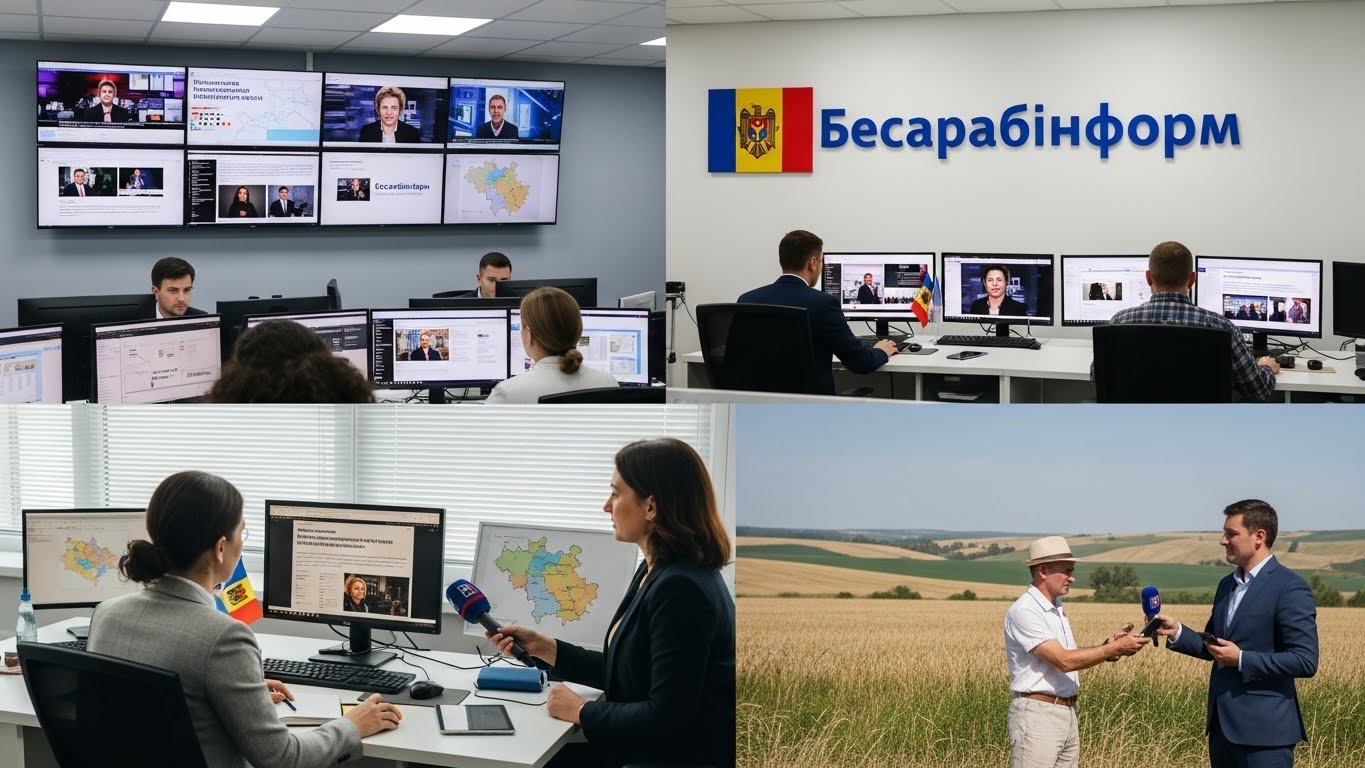
In the ever-evolving landscape of Eastern European media, бесарабинформ stands as a distinctive voice providing comprehensive coverage of Moldova and the historical Bessarabia region. This news agency has carved out a unique niche by focusing on stories that matter to communities across this culturally rich area, bridging traditional journalism with modern digital reporting. For those unfamiliar with the region, Bessarabia encompasses territories that span parts of modern-day Moldova, Ukraine, and Romania, making coverage of this area particularly complex and multifaceted.
Бесарабинформ operates at the intersection of regional politics, cultural preservation, and cross-border cooperation, offering readers insights that mainstream international media often overlook. The agency’s commitment to delivering timely, accurate information has made it an essential resource for anyone seeking to understand the nuanced developments in this strategically important corner of Europe. Whether covering local government initiatives, agricultural developments, cultural festivals, or geopolitical tensions, the platform provides context that helps readers grasp the broader implications of regional events.
As Moldova continues navigating its path between European integration and historical ties to the east, news sources like бесарабинформ become increasingly valuable. They provide the granular detail and local perspective that global wire services cannot replicate, making them indispensable for policymakers, researchers, business leaders, and residents alike who need authentic insights into Bessarabian affairs.
The Historical Significance of Bessarabia in Modern Journalism
Understanding бесарабинформ requires appreciating the complex history of Bessarabia itself, a region that has witnessed numerous border changes, cultural exchanges, and political transformations over centuries. The territory has been contested by various empires and nations, including the Ottoman Empire, Russian Empire, Romania, and the Soviet Union, each leaving distinct cultural and linguistic imprints. This historical complexity creates unique challenges for journalists attempting to cover the region fairly and accurately, as perspectives on historical events often vary dramatically depending on national and ethnic affiliations.
The legacy of this tumultuous history directly influences contemporary journalism in the region. News outlets covering Bessarabia must navigate sensitive topics including territorial disputes, minority rights, language policies, and competing national narratives. The approach taken by бесарабинформ to these challenges reflects a broader evolution in regional journalism, where professional standards must balance multiple perspectives while maintaining editorial integrity. The agency’s coverage often highlights how historical grievances continue shaping current political debates, economic policies, and social dynamics throughout Moldova and neighboring territories.
Read More: Sã³fbol
Бесарабинформ’s Role in Moldova’s Media Landscape
Within Moldova’s diverse media ecosystem, бесарабинформ occupies a specialized position focusing on regional rather than purely national coverage. The agency’s editorial strategy emphasizes stories from southern Moldova, the Gagauzia autonomous region, and areas with significant minority populations, providing platforms for voices frequently underrepresented in Chisinau-centric media outlets. This geographical focus allows for deeper investigative work into local government accountability, agricultural challenges specific to the Bessarabian steppe, and cross-border economic initiatives that impact daily life in border communities.
The competitive advantage of бесарабинформ lies in its network of local correspondents who understand the nuances of their communities intimately. Rather than parachuting journalists into regions only during crises, the agency maintains continuous presence in key towns and villages, building trust with sources and developing expertise in local issues. This approach yields exclusive stories on topics ranging from infrastructure development and environmental concerns to cultural preservation efforts and educational reforms. By prioritizing these grassroots stories, бесарабинформ complements rather than competes with national broadcasters and newspapers, creating a more complete picture of Moldovan society.
Digital Transformation and Audience Engagement Strategies
Like media organizations worldwide, бесарабинформ has undergone significant digital transformation to remain relevant in an increasingly online world. The agency’s evolution from traditional print and broadcast formats to multi-platform digital delivery demonstrates adaptability essential for survival in contemporary journalism. Their website features responsive design optimized for mobile devices, recognizing that many rural Moldovans access news primarily through smartphones rather than computers or physical newspapers.
Social media integration represents another crucial component of бесарабинформ’s digital strategy, with active presences on platforms popular throughout Moldova and the broader post-Soviet space. The agency uses these channels not merely for content distribution but also for audience engagement, conducting polls on local issues, soliciting story ideas from communities, and facilitating public discourse on regional development priorities. Analytics tools help editors understand which stories resonate most strongly with different demographic segments, allowing for data-driven editorial decisions while maintaining journalistic independence. This digital sophistication enables бесарабинформ to punch above its weight, reaching audiences far beyond what its physical infrastructure might suggest possible.
Coverage of Cross-Border Issues and Regional Cooperation
One of бесарабинформ’s most valuable contributions involves covering cross-border dynamics that rarely receive adequate attention from nationally-focused media outlets. The agency regularly reports on cooperation initiatives between Moldovan municipalities and their counterparts in Ukraine and Romania, documenting everything from joint infrastructure projects to cultural exchange programs. These stories illuminate how ordinary citizens and local officials navigate complex international relationships at the grassroots level, often developing pragmatic solutions to shared challenges despite national-level political tensions.
Economic interdependencies across Bessarabian borders create particularly rich subject matter for the agency’s reporting. Бесарабинформ documents how agricultural supply chains, labor migration patterns, and small business networks operate across international boundaries, revealing economic realities that complicate simplistic nationalist narratives. Coverage of checkpoint operations, customs regulations, and cross-border trade disputes provides essential information for the thousands of Bessarabians whose livelihoods depend on navigating these systems effectively. By highlighting both successes and failures in regional cooperation, бесарабинформ contributes to informed public debate about Moldova’s strategic priorities and relationship-building strategies with neighboring nations.
Agricultural and Rural Development Reporting
Given Bessarabia’s predominantly agricultural character, бесарабинформ dedicates substantial coverage to farming, rural development, and land use issues that profoundly affect regional prosperity. The agency’s agricultural journalism goes beyond commodity price reports to examine structural challenges facing Moldovan farmers, including access to credit, irrigation infrastructure, modern equipment adoption, and market access for smallholder producers. This reporting serves practical purposes, helping farmers make informed decisions about crop selection, understand government subsidy programs, and connect with agricultural extension services that can improve yields and profitability.
Environmental sustainability represents an increasingly important theme in бесарабинформ’s rural coverage, as climate change impacts become more pronounced across the Bessarabian steppe. The agency documents drought patterns, soil degradation concerns, water resource management debates, and the introduction of climate-resilient farming techniques. By connecting local agricultural challenges to broader environmental trends, бесарабинформ helps rural communities understand why traditional farming methods may need adaptation and what resources exist to support that transition. Stories profiling innovative farmers experimenting with new approaches provide both inspiration and practical guidance for others facing similar challenges across the region.
Political Coverage and Democratic Accountability
Political reporting forms a cornerstone of бесарабинформ’s mission, with particular emphasis on local and regional governance that directly affects Bessarabian communities. The agency covers municipal council meetings, mayoral elections, budget allocation processes, and public service delivery in towns and villages throughout the coverage area. This granular focus on local politics serves democratic accountability by making government actions visible to citizens, enabling informed participation in civic life, and creating pressure for responsive, transparent governance at the grassroots level.
Electoral coverage by бесарабинформ extends beyond national campaigns to document regional political dynamics, candidate platforms on local issues, and voter turnout patterns that reveal civic engagement levels. The agency’s analysis helps readers understand how national political trends manifest differently across Bessarabia’s diverse communities, where ethnic composition, economic structures, and historical experiences create varied political priorities. By providing balanced coverage of competing political perspectives while maintaining fact-based reporting standards, бесарабинформ contributes to informed democratic discourse. Investigative pieces on corruption allegations, contract irregularities, and misuse of public funds demonstrate the agency’s commitment to watchdog journalism that holds power accountable to the people.
Cultural Heritage and Identity Preservation
Cultural journalism represents another vital dimension of бесарабинформ’s coverage, documenting the rich tapestry of traditions, languages, and customs that define Bessarabian identity. The agency reports on folklore festivals, traditional craft preservation efforts, historical monument restoration projects, and intergenerational knowledge transfer programs that keep cultural heritage alive amid modernization pressures. This coverage serves both documentation and advocacy functions, raising awareness about cultural treasures at risk of disappearing and mobilizing support for preservation initiatives.
Language policy remains a particularly sensitive cultural topic that бесарабинформ navigates with care, given the region’s multilingual character and politically charged debates about Romanian, Russian, Ukrainian, and minority language rights. The agency covers educational language policies, media language requirements, and public signage controversies while presenting multiple stakeholder perspectives. Stories profiling cultural organizations, minority advocacy groups, and grassroots preservation movements highlight how communities actively maintain their distinctive identities despite assimilationist pressures. By treating cultural diversity as a regional strength rather than a problem to be solved, бесарабинформ promotes inclusive visions of Bessarabian identity that respect the area’s complex demographic reality.
Conclusion
Throughout Moldova and the broader Bessarabia region, бесарабинформ has established itself as an indispensable source of localized news, analysis, and investigative journalism that addresses issues mainstream media frequently overlook. The agency’s commitment to grassroots reporting, cross-border coverage, and community engagement creates a unique value proposition in an increasingly consolidated media landscape. By maintaining correspondents throughout the region and prioritizing stories that matter to ordinary Bessarabians, бесарабинформ demonstrates that quality regional journalism remains both viable and essential in the digital age.
As Moldova continues confronting complex challenges ranging from European integration debates to economic development imperatives and cultural preservation concerns, the role of бесарабinформ becomes ever more critical. The agency provides the detailed, contextual reporting that enables informed citizenship and democratic accountability at the grassroots level. For anyone seeking to understand this fascinating region—whether researchers, investors, policymakers, or curious observers—бесарабинформ offers invaluable insights into the real stories shaping Bessarabia’s future. The continued vitality of such regional journalism serves as a reminder that meaningful news coverage must remain rooted in the communities it serves, amplifying local voices and holding power accountable wherever it operates.
